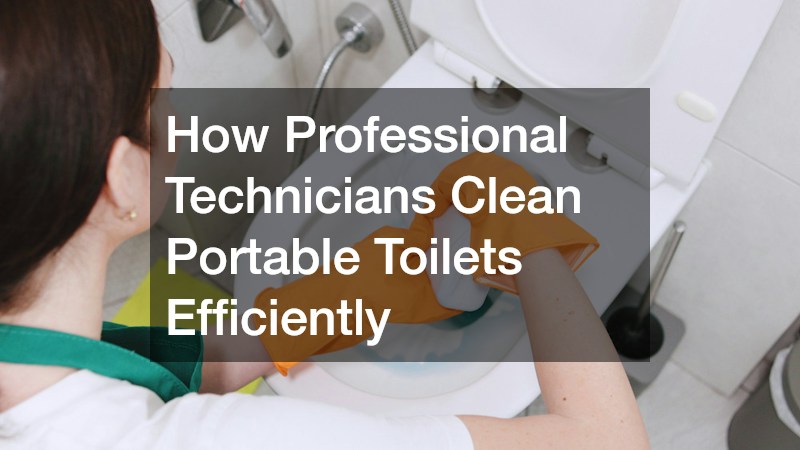
Portable restroom sanitation is an essential part of maintaining clean, comfortable, and hygienic facilities at construction sites, outdoor events, and other locations without permanent restrooms. Although these units may appear simple, keeping them sanitary requires specialized equipment, proper cleaning solutions, and a consistent maintenance process. Professional technicians follow established procedures to remove waste, disinfect surfaces, control odors, and prepare each unit for continued use. Understanding how this process works highlights the importance of professional maintenance in protecting public health and improving the experience of portable toilets.
Preparing the Unit for Thorough Cleaning
Efficient sanitation begins with proper preparation. Before cleaning starts, technicians assess the condition of each unit and gather the necessary supplies.
These typically include protective clothing, gloves, eye protection, cleaning solutions, disinfectants, brushes, pressure-washing equipment, and specialized waste-removal tools. Having everything readily available helps technicians complete each step without unnecessary interruptions.
Personal protective equipment is particularly important because cleaning portable sanitation units involves direct exposure to human waste and potentially harmful microorganisms. Technicians use appropriate protective barriers to minimize contact with contaminated surfaces and wastewater. They also follow established sanitation and workplace safety procedures to reduce the possibility of cross-contamination.
Once properly equipped, technicians inspect the unit’s interior and exterior. They look for excessive waste accumulation, damaged components, clogged urinals, leaks, and other conditions that may require additional attention. Identifying these issues early helps determine which cleaning methods and maintenance procedures are necessary. It also allows technicians to recognize problems that could interfere with the unit’s continued operation.
Removing Waste and Disinfecting Interior Surfaces
Waste removal is one of the most important parts of professional restroom maintenance. Technicians typically begin by accessing the holding tank and using a vacuum system to extract accumulated waste and wastewater. Specialized service vehicles transport this material through sealed hoses into designated storage tanks. This process minimizes direct handling and helps prevent spills, odors, and environmental contamination.
After emptying the holding tank, technicians address any remaining residue. Depending on the unit’s condition and the service provider’s procedures, they may rinse the tank and use appropriate cleaning agents to remove deposits from interior surfaces. Thorough waste removal is essential for portable toilets because leftover organic material can contribute to unpleasant odors and create conditions that encourage bacterial growth.
Next, technicians clean and disinfect the unit’s high-contact surfaces. These commonly include toilet seats, walls, door handles, latches, urinals, and other frequently touched components. Cleaning removes visible dirt and organic material, while disinfecting helps reduce harmful microorganisms. Using products appropriate for restroom sanitation is important because different surfaces and contaminants may require different treatments.
Technicians also pay attention to areas that are easy to overlook, including corners, ventilation openings, hinges, and the spaces around fixtures. Pressure-washing equipment and specialized brushes can help remove stubborn buildup, particularly on durable surfaces. However, technicians must use appropriate pressure levels and cleaning methods to avoid damaging components. Following product instructions and allowing disinfectants to remain on surfaces for their required contact times also contributes to effective sanitation.
Restocking Supplies and Completing Final Inspections
Once the interior has been cleaned and disinfected, technicians prepare the unit for its next users. This includes replenishing essential supplies such as toilet paper, hand sanitizer, and other hygiene products provided with the service. Maintaining adequate supplies is particularly important at construction sites and outdoor events, where facilities may receive frequent use throughout the day.
Technicians also replenish the holding tank with the appropriate amount of fresh water and sanitation chemicals. These treatments help manage waste, control odors, and support the unit’s normal operation between scheduled service visits. The specific products and quantities depend on the equipment manufacturer’s recommendations, tank capacity, and expected usage.
Exterior cleaning is another important part of the process. Technicians wash the outside walls, roof, door, and other exposed surfaces to remove dirt, mud, and accumulated debris. They may also clean the unit’s floor and entrance area to improve its overall appearance. Maintaining the exterior is especially valuable at public gatherings, where restroom cleanliness can influence visitors’ impressions of the event.
Professional restroom sanitation involves much more than simply emptying a waste tank. It requires a systematic approach that combines waste removal, surface cleaning, disinfection, supply replenishment, and equipment inspections. By following consistent procedures and using specialized tools, technicians can maintain hygienic facilities while controlling odors and preventing sanitation problems. Regular professional maintenance ultimately supports healthier, more comfortable portable toilets at construction sites, outdoor events, and other locations where permanent facilities are unavailable.