
Planning a facility buildout often starts with a clean budget spreadsheet and a realistic-looking number at the bottom. Then the permits get pulled, the ground gets broken, and a string of expenses nobody mentioned in the initial quote starts showing up. Understanding where these hidden costs typically hide can help you protect your budget, your timeline, and your peace of mind before the first shovel hits dirt.
This guide walks through the most common surprise expenses that catch property owners off guard during construction.
Structural Material Upgrades You Did Not Budget For
Early estimates often assume standard materials, but once engineers review your site conditions and load requirements, upgrades become necessary. A common example is discovering that your roofing or flooring system needs a stronger foundation than originally planned. Many contractors end up recommending composite metal decking once they see the span requirements or fire ratings your local code demands, and that material swap can add thousands to a project that looked finalized on paper.
These upgrades are not a sign that someone made a mistake during the bidding process. They usually reflect the gap between a conceptual design and the engineering review that happens once permits are submitted. Asking your design team early about likely material substitutions can help you build a cushion into your budget before the surprise arrives.
Site Sanitation Needs for Crews and Visitors
Every active construction site needs a sanitation plan, and this is one of those line items that rarely appears in initial proposals. If your buildout site lacks finished restrooms, you will likely need a restroom trailer rental for the duration of construction, and the cost scales with crew size and project length. Smaller jobs might get by with a basic unit, but larger commercial builds with dozens of workers and site visitors often require multiple units with climate control and regular servicing.
Skipping this consideration until crews arrive on site can create delays, since vendors often need lead time to deliver and set up units. It also affects worker satisfaction and productivity, since clean facilities keep a job site running smoothly. Building this cost into your early budget avoids a scramble later.
Waste Removal and Debris Hauling Fees
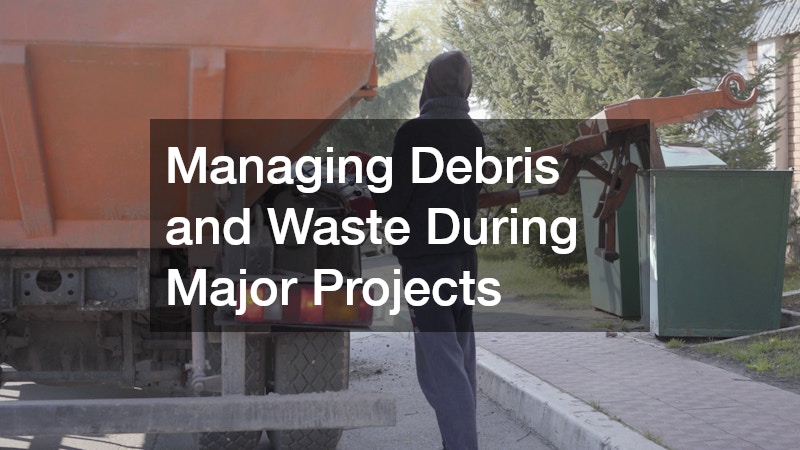
Demolition and construction generate far more debris than most property owners anticipate, and hauling it away is rarely included in a general contractor’s base bid. Renting construction dumpsters for the duration of the project is often treated as a separate line item, and the price depends on dumpster size, how often it needs to be swapped out, and what type of debris you are disposing of. A standard 20-yard dumpster might run $400 to $600 per haul in many markets, but a gut renovation or full demolition can easily fill several 30- or 40-yard containers before the project wraps. If your buildout spans multiple months, expect recurring swap-out fees every time a dumpster fills up, since most rental agreements only cover a set number of pickups before additional trips are billed separately.
The type of debris matters just as much as the volume. Mixed construction waste is typically cheaper to dispose of than specialty materials like concrete, drywall, or anything flagged as hazardous, such as old insulation, asbestos-containing tile, or lead-based paint, which often require separate permitted haulers and landfill fees. Overloading a dumpster past its weight limit can also trigger unexpected surcharges, so it’s worth confirming tonnage caps before the bins arrive on site.
- Mixed construction debris typically costs more to dispose of than clean wood or metal, since sorted loads can often be routed to cheaper recycling facilities instead of landfills
- Rental duration matters, since leaving a dumpster on site longer than planned adds fees, often billed as a daily rate after the included rental period expires
- Overfilling a dumpster beyond its weight limit often triggers surcharges, which can run anywhere from $50 to several hundred dollars depending on the hauler and overage amount
- Local landfill tipping fees vary significantly by region and material type, with drywall, roofing shingles, and concrete frequently carrying their own separate disposal rates
- Some municipalities require permits just to place a dumpster on a public street, and fines for skipping this step can exceed the permit cost itself
- Hauling multiple dumpster loads across a long buildout adds up quickly, so getting a per-pull rate upfront helps avoid budget surprises
- Specialty waste like asbestos, paint, or electrical components often requires separate disposal handling and pricing outside standard debris hauling contracts
Alternative Building Structures for Temporary or Expanded Space
Sometimes a buildout plan evolves mid-project once a business realizes it needs extra storage, equipment space, or a temporary work area while the main structure is finished. This is where many project managers turn to hoop buildings as a fast, relatively low-cost way to add covered space without a lengthy permitting process. A typical hoop structure can go up in a matter of days rather than the weeks or months required for conventional construction, which matters when a crew is already on-site and losing productivity to disorganized storage. They are often overlooked in the original planning stage simply because nobody anticipated needing overflow space until the project was already underway. A contractor might discover halfway through a buildout that equipment deliveries are arriving faster than the main structure can absorb them, or that a subcontractor needs a dry, enclosed area to stage materials through a rainy season.
Costs vary depending on size and foundation requirements, but a basic hoop building can run anywhere from a few thousand dollars for a small, uninsulated unit to tens of thousands for a larger structure with concrete flooring, electrical rough-in, and climate control. Even on the higher end, that’s typically a fraction of what a permanent addition would cost. Businesses should still budget for site prep, anchoring, and any local code requirements around snow load or wind rating, since skipping those steps can turn a quick fix into a costly rebuild. Because these structures are considered temporary or semi-permanent in many jurisdictions, they often sidestep the zoning delays that slow down traditional additions. That speed advantage is exactly why they tend to surface as a line item nobody budgeted for — a smart workaround that still comes with its own costs to plan around.
When space needs outpace the budget or timeline for a permanent buildout, many businesses turn to fabric-covered structures, modular units, or pre-engineered metal buildings to fill the gap. The appeal is speed and flexibility, since these structures can often be erected in a matter of weeks rather than the months a permanent addition would require. Some can even be leased rather than purchased outright, which helps preserve capital for other parts of the expansion. That speed advantage, though, can create a false sense of savings if the supporting costs aren’t mapped out in advance. Site prep alone can run into tens of thousands of dollars once grading, drainage, and a compacted gravel or concrete pad are factored in, especially if the chosen site has poor soil conditions or existing slope issues. Flooring is rarely included in the base price of the structure itself, and anything beyond a basic gravel floor, such as poured concrete for equipment or foot traffic, adds both cost and curing time to the schedule.
Utility hookups are often the most underestimated line item. Running electrical service, water, sewer, or HVAC to a standalone structure can mean trenching across the property, tying into existing systems, or in some cases upgrading the facility’s main service panel to handle the added load. Permitting requirements for temporary structures also vary widely by municipality, and some jurisdictions treat them identically to permanent construction once they’re anchored to a foundation or connected to utilities. These costs should be priced out and built into the budget well before the need becomes urgent, rather than discovered mid-project when a fast decision is required.
Utility Relocation and Unexpected Connection Fees
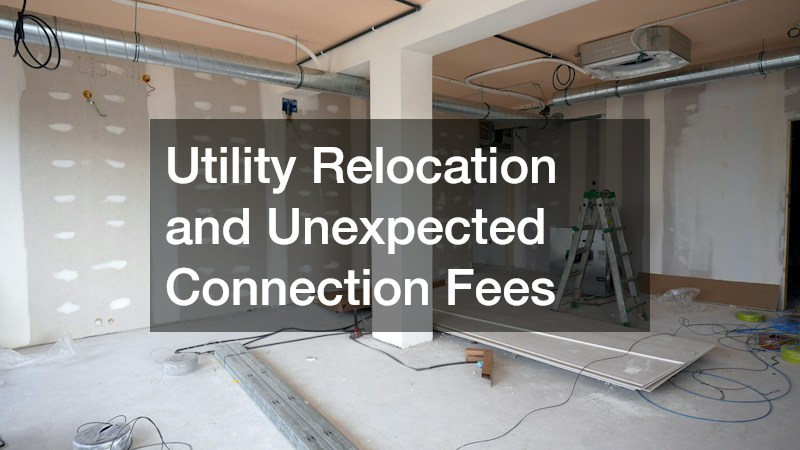
Buildout budgets frequently underestimate what it costs to move or upgrade utility connections, especially on older properties or sites with outdated infrastructure. Discovering that a gas line, water main, or electrical service needs rerouting partway through construction can delay a project by weeks while utility companies schedule the work. These fees are billed separately from your general contractor’s scope and often come with their own permitting timeline.
- Electrical service upgrades are common when a building’s power needs increase significantly
- Water and sewer tie-ins may require coordination with the municipality, not just a private contractor
- Older properties sometimes have undocumented lines that surprise crews during excavation
- Relocating a utility easement can add legal review time to the project
Worksite Injuries and Liability Exposure
Construction sites carry inherent risk, and even with safety protocols in place, accidents happen. When a worker or visitor is injured on your property during a buildout, the resulting medical bills, insurance claims, and potential legal action can become one of the largest hidden costs of the entire project. Property owners are often surprised to learn that general liability insurance does not always cover every scenario, particularly when subcontractors are involved.
If an incident occurs, those affected may consult an injury lawyer to understand their rights and determine whether negligence played a role in what happened. Separately, business owners sometimes need their own legal counsel to navigate contractor disputes or insurance pushback that follows a workplace accident. Having a clear safety plan and adequate insurance coverage before construction begins is the best way to reduce this exposure.
Legal Costs From Contractor and Property Disputes
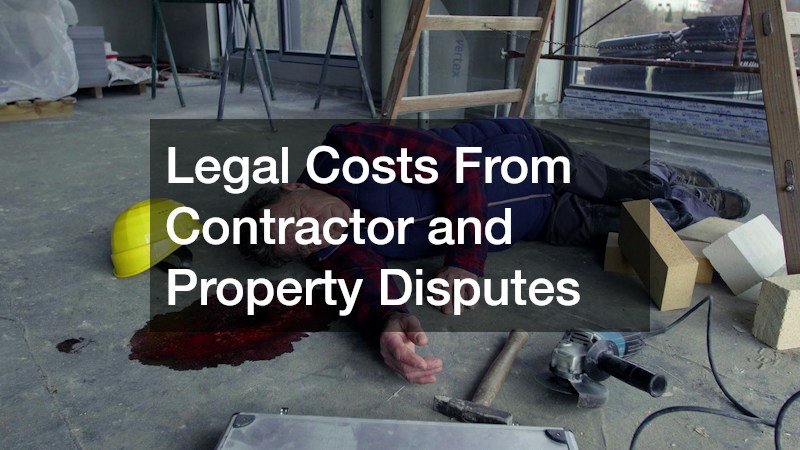
Not every hidden cost comes from the physical build itself. Disagreements over contract terms, delayed timelines, or defective work can escalate into disputes that require legal intervention, and those costs are rarely anticipated at the start of a project. Property owners sometimes assume a strongly worded contract will prevent conflict, but construction disputes are common enough that having a legal consultation on standby is a wise precaution.
If a dispute involves personal injury alongside a contract disagreement, such as an incident where someone was hurt due to unsafe conditions tied to a contractor’s negligence, the situation can become more complex. In cases like this, people often search for personal injury lawyers who also understand construction liability, since the overlap between safety violations and legal responsibility is not always straightforward. Keeping detailed records throughout the buildout, including photos, inspection reports, and correspondence, makes any future legal process far smoother.
Permit Delays and Compliance Revisions
Permit offices frequently require design revisions after an initial submission, and each round of changes can quietly add cost through redesign fees, engineering reviews, and schedule extensions. Many property owners assume permitting is a formality, but inspectors routinely flag issues related to accessibility compliance, fire separation, or drainage that were not addressed in the original plans.
- Accessibility compliance often requires adjustments to ramps, doorways, or restroom layouts
- Fire code revisions can affect material choices and exit placement
- Drainage and stormwater management plans are frequently sent back for revision
- Each resubmission cycle can add weeks to an already tight construction timeline
Finding the Right Legal Guidance Before Problems Escalate

Many property owners wait until a dispute or injury occurs before thinking about legal representation, but a brief consultation early in the planning process can prevent costly missteps. Vetting contracts, insurance policies, and safety plans with a qualified attorney before construction begins is far less expensive than untangling a problem after the fact. If an incident does occur, taking time to research and select the best personal injury attorney available in your area, rather than the first name that appears in a search, can make a meaningful difference in how a claim is resolved.
Look for legal counsel with specific experience in construction-related cases, since general practice attorneys may not be familiar with the nuances of job site liability or contractor disputes. Asking for references from similar cases and clarifying fee structures upfront are both reasonable steps before signing any agreement.
Conclusion
Facility buildouts rarely go exactly according to the original budget, but most of the surprises outlined here are predictable once you know where to look. Building in a contingency fund, asking detailed questions during the planning phase, and lining up professional guidance before problems arise can save significant money and stress down the road. The next step is simple: review your current project plan against this list and identify which of these costs you have not yet accounted for.