Relocating a business involves moving far more than desks, chairs, and filing cabinets. It represents a massive operational shift that requires careful planning, strategic coordination, and deep attention to detail. Whether a company is expanding into a larger corporate headquarters, opening a new retail storefront, or consolidating distribution warehouses, the transition process can disrupt daily workflows if managed poorly. Property managers and executives face the substantial challenge of maintaining business continuity while ensuring the new physical site is fully functional, safe, and compliant with local regulations.
A successful commercial relocation depends heavily on a structured timeline. Rushing into a new space without conducting a thorough audit of the infrastructure often leads to unexpected expenses and costly operational delays down the road. By establishing a comprehensive framework well before the physical move takes place, leadership teams can safeguard their assets, protect their employees, and ensure a smooth transition. This guide outlines the essential steps required to prepare a commercial property for immediate occupancy, focusing on structural assessments, utility configurations, regulatory compliance, and logistical efficiency. Taking a systematic approach allows an enterprise to hit the ground running on day one in its new home.
Laying the Foundation with Risk Management and Administrative Prep
Long before any physical items are packed into boxes, a business must address the administrative and legal aspects of acquiring a new property. This phase involves reviewing lease agreements, obtaining local permits, and updating corporate registrations to reflect the new address. Failing to align paperwork with local municipal codes can halt an opening before it even begins. It is important to assess the spatial layout of the new facility during this early period to determine how existing workflows will adapt to the new floor plan.
Another essential task during this initial stage involves reviewing the company’s liability and asset protection policies. Relocating brings a unique set of risks, including potential damage to expensive equipment during transit or unforeseen liabilities at the new site. Business owners should schedule comprehensive consultations with licensed commercial insurance agents to review existing coverage. These professionals help identify gaps in coverage, update property insurance values, and ensure that policy limits adequately protect new structural investments. Having the right coverage in place provides peace of mind, allowing corporate leaders to focus on the physical demands of the move without worrying about catastrophic financial exposure from unexpected accidents. Navigating these details early ensures that the entire operational transition remains fully protected under the law.
Assessing the Structural and Exterior Integrity of the Site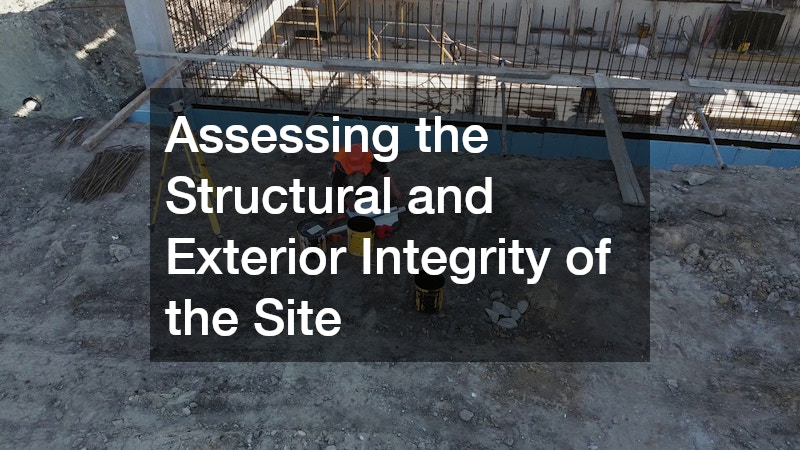
Once the administrative details are settled, the focus shifts to the physical state of the new building. The exterior envelope of a commercial property acts as the first line of defense against weather elements and environmental wear. Overlooking small flaws in the foundation or roof can lead to massive repair bills later. Inspecting the surrounding land is a critical step, particularly regarding how water flows around the property. If a building suffers from poor drainage or soil erosion, it can compromise the foundation over time. Engaging a professional grading company helps identify these issues early. These experts can re-slope the land, clear away blockages, and ensure that stormwater drains away from the structure effectively, preventing future flooding or foundational cracks.
Simultaneously, the roof requires an exhaustive evaluation. Large commercial properties often feature flat or low-slope roofs that are highly susceptible to ponding water and membrane punctures. Hiring an experienced commercial roof contractor ensures that the roofing system undergoes a rigorous inspection. These specialists look for worn flashing, compromised seals, and structural sagging that might cause catastrophic leaks during heavy rain or snow. Addressing minor roof repairs before heavy machinery or office furniture arrives prevents internal water damage and protects expensive internal assets from the elements. Taking care of these major structural components early creates a safe, stable environment for subsequent interior work.
Enhancing Interior Dynamics and Brand Consistency
With the structural exterior secured, the focus naturally shifts to the interior environment. The physical appearance of a workplace significantly influences employee morale and shapes customer impressions. If a new space looks outdated, dingy, or misaligned with the corporate identity, it can hinder brand perception from the moment the doors open. Wall colors, trim work, and public-facing lobbies must reflect professionalism and cleanliness. This makes the renewal of interior surfaces a priority before moving personnel into the space.
Investing in a professional commercial painting service allows an enterprise to revitalize the property quickly. Professional painters ensure that high-traffic areas utilize durable, easy-to-clean coatings that stand up to daily commercial wear and tear. Furthermore, these teams can apply specialized, low-volatile organic compound paints that dry quickly without leaving harsh chemical odors behind, ensuring a healthier workplace for returning staff. This step also offers the perfect opportunity to integrate specific corporate color schemes into the architecture, reinforcing brand alignment. Refreshing the walls before installing furniture ensures clean lines and prevents accidental splatters on clean desks, setting a polished stage for incoming teams. Ultimately, an inviting interior fosters an environment of productivity and leaves an indelible mark on visiting clients.
Managing Heavy Logistics and the Physical Relocation Process
The actual relocation day represents the most dynamic phase of the entire checklist. Moving heavy office furniture, delicate tech stacks, and specialized production machinery requires meticulous coordination to minimize downtime. Standard residential methods simply cannot handle the sheer volume and complexity of a corporate move. Packing sensitive digital servers, secure archives, and expensive boardroom fixtures demands specialized equipment, structured labeling systems, and experienced logistical handlers who understand how to protect corporate assets during transit.
To execute this phase without major disruptions, organizations should partner with reputable commercial moving companies. These logistics professionals possess the specialized trucks, hydraulic lifts, and heavy-duty packing materials needed to transport massive quantities of cargo safely. They work closely with facility managers to establish a staggered moving schedule, ensuring that essential departments move in a logical sequence that keeps the core business operating. Utilizing an experienced crew minimizes the risk of worker injury and prevents damage to building hallways and elevator shafts at both the old and new locations. A well-organized moving team transforms a chaotic day into a predictable, orderly process, allowing employees to settle into their new workstations with minimal frustration. This careful coordination ensures that operations resume quickly.
Establishing Reliable Utility and Plumbing Systems
A commercial space cannot function without fully operational utilities. High-power computing setups, advanced lighting, and sanitary facilities must all work flawlessly before staff members arrive. The utility infrastructure must be thoroughly tested to handle the specific operational demands of the business, which are often much higher than standard residential requirements. This is especially true for facilities that rely on heavy industrial machinery or continuous computing loops.
First, connecting with the regional electric company is imperative to ensure the facility receives proper voltage and that meters are accurately calibrated. Technicians must verify that the electrical panels can handle the collective load of office computers, lighting grids, and specialized machinery without tripping breakers. Once the electrical grid is deemed safe and stable, attention must turn to the facility’s water management. The water supply and waste systems require immediate expert inspection to prevent catastrophic leaks. A licensed plumber must check the main lines for hidden leaks, test the water pressure, and ensure that commercial backflow preventers comply with local health codes. Properly functioning restrooms, breakrooms, and drainage systems are vital for maintaining employee wellness and operational compliance. Addressing these core utility needs simultaneously guarantees that the building possesses the vital infrastructure required to support daily business activities safely and efficiently. This proactive maintenance minimizes utility failures during peak business hours.
Optimizing Climate Control and Air Quality Solutions

Indoor environmental quality plays a major role in both worker productivity and equipment longevity. A workplace that is too hot, too cold, or plagued by stagnant air can quickly lead to widespread employee dissatisfaction and reduced efficiency. Furthermore, sensitive electronic equipment like server rooms requires strict climate control to prevent overheating and premature component failure. This necessitates a comprehensive evaluation of the building’s air handling infrastructure.
Scheduling a detailed inspection with a commercial HVAC service is an indispensable part of the move-in process. These certified technicians can calibrate thermostats, check refrigerant levels, test heating and cooling cycles, and ensure that the overall system operates at peak energy efficiency. After the mechanical systems are fully optimized, attention should shift to the internal cleanliness of the air distribution infrastructure. Investing in professional duct cleaning removes years of accumulated dust, pollen, mold spores, and construction debris that may have settled inside the ventilation system during the building’s vacancy. Clean air ducts prevent these contaminants from circulating through the workplace, vastly improving indoor air quality and reducing strain on the heating and cooling units. Creating a comfortable, allergen-free environment keeps the workforce healthy and focused. This investment in air quality yields long-term health benefits for everyone.
Managing Specialized Cold Storage and Inventory Equipment
For businesses operating in the food service, hospitality, pharmaceutical, or floral industries, the setup of specialized cold storage is a critical operational requirement. A minor temperature fluctuation can ruin thousands of dollars in inventory within hours, making the reliability of cooling systems vital. These systems require complex electrical and mechanical setups that go far beyond standard office appliances, demanding specialized professional oversight before any inventory is ordered or moved.
Property managers must ensure that all refrigeration systems undergo rigorous testing. Partnering with a specialist in commercial refrigeration is essential to verify that walk-in coolers, reach-in freezers, and display cases maintain precise temperatures. These experts check compressor efficiency, inspect door seals for tight thermal barriers, and verify that digital monitoring systems are correctly calibrated to alert staff of any sudden temperature drops. Testing these heavy-duty units before loading them with perishable products prevents catastrophic inventory loss and ensures compliance with strict health department regulations. Taking the time to validate these specialized systems guarantees that the backbone of the company’s daily supply chain is secure and ready for high-volume operations. Protecting these assets keeps the business profitable from day one.
Conducting Final Safety Walkthroughs and Staff Onboarding

With all physical infrastructure, utilities, and cosmetics in place, the final phase of the relocation involves verification and human preparation. Facility managers should conduct a comprehensive walkthrough of the entire property to ensure all emergency exits are completely clear, fire extinguishers are properly mounted, and security systems are fully armed. It is also beneficial to test emergency lighting systems and backup power generators to ensure the facility can handle unexpected municipal power outages safely. Additionally, management must verify that all localized data networks and backup communication lines are fully functional. Testing these systems prior to the official launch prevents unexpected communication blackouts that could alienate key clients or stall critical transactions.
Once the physical safety of the building is verified, the focus turns toward onboarding the staff to their new environment. Organizing a pre-opening orientation allows employees to familiarize themselves with the new layout, locate emergency exit routes, and understand new parking arrangements. It is also the ideal time to test employee access badges and distribute keys to secure areas. Clear communication during this final step reduces opening-day anxiety and helps staff feel confident and comfortable in their new workspace. Taking the time to educate the team ensures that the business operates smoothly from the very first minute. Providing clear point-of-contact lists for facility maintenance helps staff report minor setup issues before they disrupt workflows.
Embracing a New Chapter of Commercial Growth
Relocating a commercial operation is highly complex, but it also represents an exciting milestone in a company’s growth. By adhering to a thorough checklist that addresses structural integrity, cosmetic appeal, infrastructure capacity, and risk mitigation, businesses can transform a potentially chaotic project into a structured success. Investing time and resources into vetting specialized trades and setting up systems correctly avoids operational headaches later. This proactive approach turns a difficult corporate milestone into an excellent opportunity for organizational modernization and workplace improvement.
When a company takes a meticulous approach to its physical setup, it protects its bottom line, safeguards its workforce, and establishes an excellent foundation for future productivity. With a fully optimized facility, the entire organization can step forward into its new chapter with absolute confidence. A well-executed move ultimately showcases organizational resilience and establishes a very high standard for all future operational achievements.