
A single overflowing dumpster, a broken walk-in cooler, or a jammed loading dock gate can quietly chip away at your business long before a customer ever complains out loud. Most operational breakdowns do not happen overnight; they build up through small delays, missed maintenance windows, and reactive fixes that cost more than prevention would have. If you run a business that depends on physical space, equipment, or foot traffic, the difference between keeping a client and losing one often comes down to how quickly you spot and solve these everyday snags. This guide walks through the most common operational bottlenecks businesses face and how to get ahead of them before they show up on a customer complaint form.
Managing Waste and Debris During High-Volume Periods
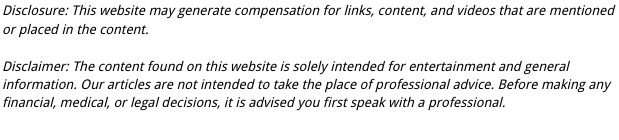
Businesses that generate large amounts of waste, whether from renovations, seasonal cleanouts, or high customer volume, often underestimate how quickly overflow becomes a visible problem. A cluttered back lot or overflowing bin sends a message to clients and vendors that operations are disorganized, even if the rest of the business is running smoothly. Renting roll off containers ahead of a known busy season or project gives you a predictable place to route debris instead of scrambling once the mess has already piled up.
Planning container size and pickup schedule around your actual volume, rather than guessing, prevents both overflow and wasted rental costs. Many business owners find it useful to track waste output for a month before committing to a size or frequency.
- Match container size to your busiest week, not your average week
- Schedule pickups before holidays or peak events, not after
- Keep a clear path to the container so staff actually use it
- Confirm weight limits to avoid surprise overage fees
Keeping Commercial Plumbing and Septic Systems Reliable
For businesses not connected to municipal sewer lines, a septic backup can shut down operations entirely, sometimes with little warning. Restaurants, medical offices, and retail centers with on-site systems need a maintenance rhythm that catches problems before they become emergencies. Scheduling commercial septic system pumping on a regular calendar, rather than waiting for slow drains or odors, protects both your facility and your reputation with customers who notice these issues immediately.
Many owners assume septic problems are rare, but usage patterns in commercial settings put far more strain on a system than residential use. A restaurant kitchen, for example, sends significantly more grease and solids through its lines than a typical household. Building a service log that tracks pumping dates and any warning signs helps you spot patterns and avoid last-minute closures.
Coordinating Renovation and Teardown Projects Without Losing Business Days
Any physical renovation, expansion, or removal project introduces risk to daily operations if it is not carefully sequenced. A poorly timed teardown can block loading docks, cut off customer parking, or force an unplanned closure that sends clients straight to competitors. Before any work begins, walk the site with your contractor to map out which zones stay operational and which get sectioned off. Hiring experienced demolition contractors who understand how to work around active business hours can mean the difference between a two-day disruption and a two-week shutdown. Ask prospective contractors for references from similar projects completed on occupied commercial sites, not just residential teardowns. The best crews will offer phased schedules—running the loudest, dustiest work overnight or during historically slow hours like early Monday mornings. Clear communication about noise, dust containment, and access points keeps both staff and customers informed rather than surprised. Simple measures, like plastic sheeting to seal off active work areas, HEPA-filtered air scrubbers, and signage marking temporary entrances, prevent confusion and complaints. Sending a short notice to regular clients a week in advance, with specific dates and expected impacts, builds goodwill instead of frustration. Finally, build in a buffer. Renovation timelines slip more often than not, so plan for at least 15-20% additional time before promising a reopening date to staff or customers.
- Ask for a written timeline before work begins, including start/end dates and specific phase breakdowns (demo, framing, finishing)
- Confirm how debris and materials will be removed from the site, and how often — daily hauling prevents dumpsters from blocking entrances or parking
- Set expectations for which areas remain accessible to customers, and post clear signage directing foot traffic around active work zones
- Request updates at key milestones, not just at project completion — for example, after demo, after inspections, and before any noise-heavy work begins
- Clarify work hours in advance, especially if loud demolition needs to happen before or after your business’s peak hours
- Build in a buffer of 10-15% extra time for unexpected delays like permit holdups or material shortages, so client-facing promises stay realistic
Preventing Entry and Access Point Failures
Doors, gates, and entry systems are easy to overlook until one fails during business hours and leaves a location either inaccessible or unsecured. Warehouses and retail spaces that rely on overhead doors for deliveries should have a relationship with garage door companies before a spring snaps or a track bends, not after. A single stuck door can delay shipments for an entire day, which ripples into missed orders and frustrated clients.
Perimeter security matters just as much as interior access. A malfunctioning sliding gate at a parking lot entrance or loading area can either strand vehicles outside or leave a property exposed overnight. Testing motorized entry points on a monthly basis, rather than waiting for a visible fault, catches worn components while they are still cheap to replace.
Protecting Comfort and Safety With Climate Control Upkeep
Temperature control is one of the fastest ways a business loses customer goodwill, whether it is a retail floor that turns uncomfortably warm or a server room at risk of overheating equipment. Studies on retail behavior consistently show that customers cut their visits short in uncomfortable spaces, and employees working in poor conditions become less productive and more error-prone. In climate-sensitive environments like restaurants, medical offices, or data centers, a few degrees of drift can mean spoiled inventory, compliance violations, or damaged hardware. Scheduling commercial AC repair at the first sign of inconsistent airflow, strange noises, or rising utility bills prevents a minor fix from turning into a full system replacement during your busiest season. A 10-15% spike in energy costs without a clear cause is often an early warning sign that coils, filters, or compressors need attention before they fail outright. Routine inspections, ideally quarterly, catch worn belts, refrigerant leaks, and clogged condensate lines while they are still inexpensive repairs. Waiting until a unit fails completely almost always costs more in both repair fees and lost business. An emergency breakdown on a 95-degree afternoon not only demands rush service fees but can force a temporary closure or send customers to a more comfortable competitor down the street. Building a relationship with a reliable HVAC contractor and keeping a maintenance log gives you leverage to negotiate faster response times when something does go wrong.
- Watch for uneven cooling between rooms or zones — a sign of failing dampers, blocked vents, or an aging system struggling to keep up
- Track utility bills for unexplained spikes of 10-15% or more, which often signal a unit working overtime before it fails outright
- Replace filters on a fixed schedule (every 60-90 days is standard) rather than as an afterthought, since clogged filters strain equipment and spike energy costs
- Schedule seasonal HVAC inspections twice a year, ideally before peak summer and winter demand, to catch small issues before they become client-facing problems
- Keep a maintenance contact on file before an emergency happens, along with a backup vendor in case your primary provider is unavailable
Extending Outdoor Spaces That Draw in Customers

Patios, decks, and outdoor seating areas have become a real driver of revenue for restaurants, cafes, and event spaces, but they require upkeep that many owners underestimate. A worn or unstable deck is not just a cosmetic issue, it is a liability risk that can close down your most profitable seating area during peak season. Working with a licensed deck contractor for inspections and repairs before warm weather hits keeps that revenue stream open instead of shut down for emergency repairs.
Small signs like soft spots, loose railings, or gaps between boards are early warnings that should not wait until the next scheduled inspection. Addressing these issues in the off season, when foot traffic is lower, avoids disrupting business during the months when outdoor space matters most.
Meeting Accessibility Needs Without Delay
Businesses that serve an aging population or customers with mobility challenges need to think about accessibility as an operational priority, not an afterthought. A stairlift install in a multi-level building can open up entire floors to customers and employees who would otherwise be excluded, directly expanding the pool of people who can do business with you. Delaying this kind of upgrade often means losing clients quietly, without ever hearing why they stopped coming back.
Planning for accessibility also reduces liability tied to falls or injuries on stairs, which can be costly both financially and reputationally. Businesses that get ahead of these needs tend to see it reflected in customer loyalty over time.
Reducing Downtime From Equipment Failures
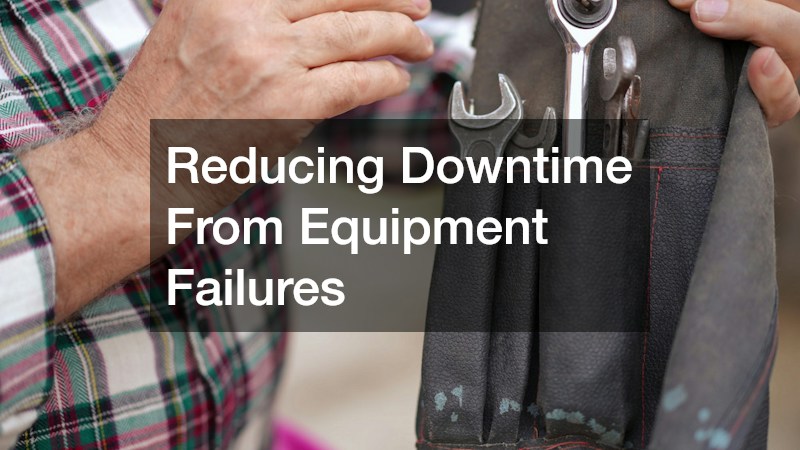
Any business running on-site equipment, from walk-in coolers to industrial washers, faces the same basic risk: unplanned downtime that stops revenue-generating work in its tracks. A single refrigeration failure can spoil an entire day’s inventory within hours, while a broken dryer or dishwasher can back up service for an entire shift. These costs add up fast, both in wasted product and in customers who don’t come back. Building a relationship with a provider of commercial appliance repair before something breaks means faster response times and less guesswork when an emergency call is needed. Established providers typically prioritize existing clients, which can mean the difference between a two-hour response and a two-day wait. They also become familiar with your specific equipment models, so diagnosing the problem takes minutes instead of an initial visit just to assess the situation. Waiting until a piece of equipment fails completely often means longer wait times for parts and repair technicians, especially for older or specialty units where replacement components aren’t kept in stock. A proactive maintenance schedule, checking seals, motors, and electrical connections every few months, can catch small issues like a failing compressor or worn belt before they cause a full breakdown. Some providers will even flag equipment nearing the end of its expected lifespan, giving you time to budget for replacement instead of facing a surprise capital expense during your busiest season.
- Keep a log of repair history for major equipment, including dates, costs, and technician notes, so recurring issues are easy to spot
- Note age and expected lifespan of high-use appliances, and flag anything past 75% of its rated service life for closer monitoring
- Identify backup options for critical equipment before you need them, whether that’s a rental agreement, a loaner unit, or a second supplier on standby
- Schedule preventive checkups during slower business periods, such as seasonal lulls or the last week of the month, to avoid disrupting peak operations
- Build relationships with two or more repair vendors so you’re never stuck waiting on a single provider’s availability
- Set calendar reminders tied to manufacturer-recommended maintenance intervals rather than relying on memory alone
Managing Sensitive Records and Data Security
Operational bottlenecks are not always physical. Businesses that handle paperwork containing client information, financial records, or employee data need a reliable system for disposing of it securely. Scheduling regular paper shredding service prevents both a buildup of clutter in storage areas and the risk of a data breach that could damage client trust permanently. Many businesses find that setting a recurring shredding schedule is far more manageable than trying to handle large purges all at once.
Beyond compliance, secure document disposal also frees up physical storage space that can be put to better use. Reviewing what needs to be kept versus what can be safely destroyed on a quarterly basis keeps both your files and your office space organized.
None of these bottlenecks announce themselves loudly until they have already cost you time, money, or a client’s trust. The businesses that stay ahead are the ones that treat maintenance and planning as a routine part of operations rather than a reaction to a crisis. Start by identifying which of these areas feels the most overdue in your own operation, then build a simple schedule to address it before it becomes urgent. A small investment of attention now is almost always cheaper than the disruption of waiting until something breaks.