
A serious accident involving your team does not end when the ambulances leave. In the hours, days, and weeks that follow, employees look to their leaders for clarity, reassurance, and a sense of direction. How you respond during this period can shape morale, trust, and even the long-term stability of your organization. This guide walks through the practical steps leaders can take to support their team while handling the legal, emotional, and operational fallout responsibly.
Stabilize the Immediate Situation
The first few hours after a serious accident are chaotic, and your priority should be the safety and wellbeing of everyone involved. Make sure injured employees receive medical attention before anything else happens, including internal discussions, blame-finding, or paperwork. If there’s any doubt about the severity of an injury, err on the side of calling 911 rather than waiting to see if symptoms worsen. Next, secure the accident scene itself. Clear bystanders and non-essential personnel from the area, and if it’s safe to do so, prevent equipment or materials from being disturbed until investigators have had a chance to document the scene. This protects both the integrity of any later investigation and the safety of others who might otherwise walk into a hazard. Once immediate safety is addressed, designate one person—typically the site supervisor, safety officer, or most senior manager on scene—to communicate with emergency responders so information stays consistent and accurate. This person should be prepared to answer basic questions: what happened, how many people are affected, and what hazards remain (chemical exposure, live electrical lines, unstable structures, etc.). Finally, start a simple timeline log as soon as you’re able, noting what happened and when, who was contacted, and what actions were taken. Even rough notes jotted on a phone are better than relying on memory later, since this record will matter for medical follow-up, insurance claims, and any regulatory reporting that follows.
Once the scene is secured, shift your focus to the practical needs your team will face in the hours and days ahead. Start by identifying immediate gaps: Who witnessed the accident and may need to step away? Who can realistically keep working, and who shouldn’t be expected to? Covering shifts is often the first logistical hurdle. Reach out to off-duty staff, cross-trained employees, or even temporary staffing agencies if the absence will stretch beyond a day or two. Make it clear that pulling someone from a scheduled day off is a request, not an expectation, given the circumstances. Transportation is another detail that’s easy to overlook in the chaos. If someone’s vehicle is tied up as part of an investigation, or if an employee is too shaken to drive safely, arrange a ride home or cover the cost of a rideshare. This small gesture can prevent a second incident on top of the first. Finally, give people explicit permission to step away. Employees often feel they need to “push through” out of guilt or obligation, even when they’re clearly not in a state to work safely or effectively. A direct statement from leadership — that it’s okay to leave, rest, or seek support — carries more weight than any written policy.
- Confirm all injured parties have received medical care, and designate someone to track each person’s status and follow-up needs
- Appoint a single point of contact for emergency services to avoid conflicting information reaching responders
- Secure the area to prevent further injury, shutting down equipment or cordoning off hazards as needed
- Document the scene with photos, video, and witness names and contact details if safe to do so
- Preserve physical evidence and avoid moving equipment or materials unless required for safety
- Notify HR and leadership immediately, including a brief factual summary of what’s known so far
- Loop in legal counsel or risk management early if the incident involves serious injury, fatality, or regulatory exposure
- Avoid speculating about fault in the immediate aftermath, both internally and with outside parties
- Direct all external inquiries, including media or regulators, to a single authorized spokesperson
Communicate Clearly With Your Team
Silence after a traumatic event breeds anxiety and rumors, so timely communication matters more than having every answer ready. Hold a brief meeting or send a direct message acknowledging what happened, without overstating facts you have not confirmed. Employees want honesty, even if that honesty is simply admitting the investigation is ongoing.
Tone matters as much as content during these conversations. Speak calmly, avoid corporate jargon, and make space for questions, even uncomfortable ones. Leaders who dodge hard questions tend to lose credibility quickly, while those who acknowledge uncertainty tend to retain trust.
- Share only verified information
- Avoid assigning blame publicly
- Offer a channel for employees to ask follow-up questions
- Repeat key updates as new information becomes available
Address the Emotional Impact on Employees
Even employees who were not physically present can experience real emotional strain after a serious accident, especially if they work closely with those who were injured. Recognize that grief, fear, and guilt are common reactions, and they do not follow a predictable timeline. Offering access to counseling services or an employee assistance program signals that the company cares about more than just logistics.
Some employees may want to talk extensively about what happened, while others may prefer to keep working as a coping mechanism. Both responses are normal, and leaders should avoid forcing a single approach on everyone. Checking in privately with affected individuals, rather than only addressing the group, often reveals needs that would otherwise go unspoken.
- Provide access to mental health resources
- Allow flexible schedules for recovery time
- Train supervisors to recognize signs of trauma
- Respect individual coping preferences
Understand the Legal Steps That Follow
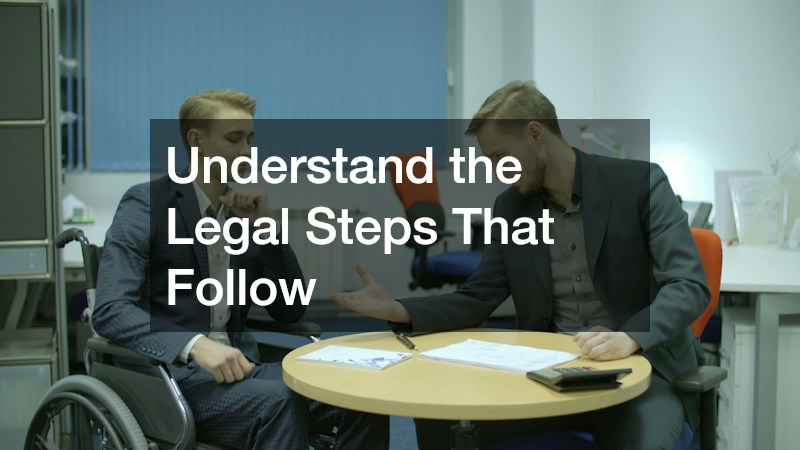
Serious workplace or vehicle-related accidents often trigger a legal process that can feel overwhelming for leaders who are not familiar with it. Consulting an accident lawyer early can help clarify what documentation needs to be preserved and what statements should be avoided until facts are established. This is especially true when an incident involves a company vehicle, since liability questions can become complicated quickly.
Leaders should resist the urge to handle legal matters informally, even when the relationship with the injured employee is close. Having professional legal guidance protects both the business and the employee by ensuring the process follows proper procedure. It also reduces the risk of statements being misinterpreted later in any formal proceedings.
- Preserve all physical and digital evidence related to the incident
- Avoid making recorded statements without legal advice
- Keep a written timeline of events as they unfold
- Loop in insurance providers promptly
Support Employees Seeking Compensation

When an employee is injured, they may be entitled to compensation through workers’ compensation or a separate injury claim, depending on the circumstances. Many employees are unfamiliar with this process and benefit from being pointed toward personal injury lawyers who can explain their rights clearly. As a leader, you are not expected to give legal advice, but you can make sure employees know support exists.
If the accident involved a vehicle on the job, such as a delivery route or client visit, the claims process can differ significantly from a standard workplace injury. In these cases, car accident lawyers are often better equipped to navigate insurance disputes and third-party liability. Making this distinction early can save employees significant time and frustration.
- Explain the difference between workers compensation and personal injury claims
- Share reputable resources without appearing to steer legal outcomes
- Encourage employees to ask questions before signing any settlement documents
- Keep HR involved throughout the claims process
Review Safety Protocols and Prevent Recurrence
Once the immediate crisis has passed, a thorough review of what led to the accident is essential. This is not about assigning blame but about identifying gaps in training, equipment, or procedures that may have contributed to the incident. Bringing in a third-party safety consultant can offer an objective perspective that internal teams sometimes miss.
Employees will be watching closely to see whether leadership follows through on promised changes. A review that produces no visible action can damage trust more than the accident itself. Sharing a summary of findings and changes, even in general terms, demonstrates accountability.
- Conduct a root cause analysis with input from affected employees
- Update training materials to reflect lessons learned
- Set a timeline for implementing safety changes
- Communicate progress updates to the full team
Choose the Right Legal Partner When Needed
Not every law firm has the same level of experience with workplace or vehicle-related accidents, so choosing wisely matters. Leaders who take time to research and connect employees with some of the best accident attorneys often find the claims process moves more smoothly for everyone involved. Experience with similar cases can make a measurable difference in how quickly matters are resolved.
It also helps to look beyond advertising and reviews when evaluating legal representation. Ask about their track record with cases similar to your situation, their communication style, and how they structure fees. A good fit reduces stress for the injured employee and allows the business to focus on recovery and operations.
- Ask for references from past clients with similar cases
- Confirm experience with workplace or vehicle-related claims
- Clarify fee structures upfront
- Prioritize clear, consistent communication
Leading a team through the aftermath of a serious accident requires equal parts compassion, organization, and sound judgment. By addressing immediate safety, communicating honestly, supporting emotional recovery, and handling legal matters with care, leaders can guide their teams toward healing rather than lingering uncertainty. The steps you take in these difficult moments will shape how your team trusts and follows you long after the incident is resolved. Start by reviewing your current emergency response plan today, so you are prepared before a crisis ever occurs.