
A failing septic system can create serious problems for a business, from unpleasant odors and slow drains to wastewater backups, health concerns, and unexpected closures. Unlike residential properties, commercial establishments often handle higher volumes of wastewater because of employees, customers, tenants, or daily operations. Restaurants, hotels, office buildings, apartment complexes, and other facilities must therefore pay close attention to their septic systems to prevent disruptions and protect everyone who uses the property.
The most effective way to avoid costly septic emergencies is to establish a preventive maintenance plan. Regular pumping, drainage monitoring, water-use management, equipment inspections, and professional servicing can help keep the system operating reliably. A consistent schedule also makes it easier to budget for maintenance instead of dealing with unexpected expenses and urgent repairs.
In this guide, we’ll explore the essential steps businesses should take to maintain their commercial septic systems. You’ll learn what to monitor, how to recognize early warning signs, and why routine professional inspections are important for keeping your facility safe, functional, and ready for daily operations.
Schedule Routine Septic Tank Pumping
Commercial septic tanks collect wastewater from toilets, sinks, kitchens, and other facility plumbing. Over time, solid waste accumulates at the bottom of the tank, while grease and other materials can form a layer at the surface. If these layers become too thick, solids may enter the drain field or downstream treatment components, increasing the risk of blockages and system failure.
Unlike residential systems, commercial septic tanks can receive significantly different wastewater volumes depending on the type of business and the number of people using the facility. A restaurant, for example, may generate more wastewater and grease than a small office. Businesses should therefore base pumping schedules on tank capacity, usage patterns, and professional assessments rather than automatically following a standard residential timeline.
Keeping accurate service records makes it easier to monitor the system’s condition and plan future maintenance. A consistent schedule also helps businesses avoid emergency pumping, unexpected downtime, and more extensive repairs.
-
Record every pumping appointment, including the service date and findings.
-
Adjust pumping frequency based on business activity and wastewater volume.
-
Ask the service provider to assess sludge and scum levels during each visit.
-
Establish a maintenance budget for scheduled pumping and related services.
-
Avoid disposing of grease, wipes, chemicals, and other unsuitable materials through drains.
Monitor Drain Field Health and Drainage Patterns
A commercial septic system depends on its drain field to disperse treated wastewater into the surrounding soil. When the field becomes overloaded, blocked, or damaged, wastewater may no longer drain properly. This can create standing water, unpleasant odors, unusually green patches of grass, or sewage surfacing around the property.
These warning signs deserve immediate attention, particularly at businesses where customers, employees, or tenants regularly use outdoor areas. Ignoring drainage problems can lead to more extensive damage and potentially disrupt normal operations. A professional assessment can help determine whether the problem involves the drain field, the tank, or another part of the wastewater system.
Businesses should also protect the area above and around the drain field. Construction work, heavy vehicles, equipment storage, and poorly planned landscaping can compact the soil or damage underground pipes. Maintaining clear access to the area also makes future inspections and repairs easier.
-
Inspect the drain field regularly for standing water, unusual odors, or soggy ground.
-
Keep delivery vehicles, heavy equipment, and construction materials away from the field.
-
Avoid planting trees or deep-rooted shrubs near underground septic components.
-
Direct roof runoff and other excess water away from the drain field.
-
Contact a qualified professional when drainage problems persist or worsen.
Manage Water Consumption Across Business Operations
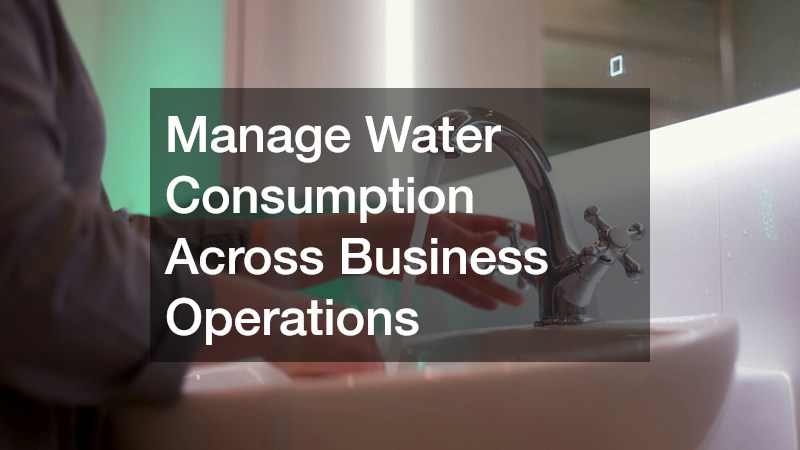
The amount of wastewater entering a septic system directly affects its workload. Businesses with high water consumption can overwhelm their systems if several fixtures, appliances, or equipment operate simultaneously. Restaurants, hotels, laundromats, and other high-demand establishments should pay particular attention to how water is used throughout the day.
Managing consumption does not necessarily require major operational changes. Installing efficient fixtures, repairing leaks, and monitoring water usage can help reduce the volume entering the system. Businesses can also review daily routines to identify unnecessary water consumption and distribute water-intensive activities more efficiently when practical.
These improvements can support more reliable septic system performance while helping reduce utility expenses. They also make it easier for facility managers to identify unusual changes in water consumption that could indicate leaks or plumbing problems.
-
Install water-efficient toilets, faucets, and other suitable fixtures.
-
Repair leaking pipes, dripping faucets, and running toilets promptly.
-
Monitor water bills and usage records for unexplained increases.
-
Review cleaning, laundry, and equipment procedures to reduce unnecessary water use.
-
Train employees to report plumbing problems and avoid improper waste disposal.
Inspect Septic Tank Components and Mechanical Equipment
A commercial septic system involves more than a storage tank. Depending on its design, it may include effluent filters, pumps, alarms, floats, pipes, and other mechanical components that help move and treat wastewater. If one of these parts stops working properly, the entire system may become less effective.
Effluent filters, for example, prevent larger solids from entering the drain field. However, they can become clogged and require periodic cleaning or replacement. Pump systems also need attention because malfunctioning pumps, float switches, or alarms may prevent wastewater from moving through the system as intended.
Businesses should maintain an inspection schedule based on the equipment manufacturer’s recommendations and the system’s operating conditions. Facility managers should also keep records of repairs and component replacements so they can identify recurring issues and plan for equipment upgrades.
-
Have effluent filters inspected and cleaned according to professional recommendations.
-
Test pump alarms and float switches regularly.
-
Check accessible components for cracks, corrosion, leaks, or damaged wiring.
-
Monitor unusual pump activity, persistent alarms, and changes in system performance.
-
Replace worn components before they cause larger operational problems.
Arrange Professional Commercial Septic Inspections
Routine visual checks are useful, but they cannot identify every problem inside a septic system. Some issues require specialized equipment and professional knowledge to detect. A qualified inspector can assess tank conditions, measure sludge and scum levels, examine mechanical components, and identify potential problems with wastewater flow and drainage.
For restaurants, apartment complexes, warehouses, offices, and other facilities with higher wastewater demands, commercial septic services can provide maintenance suited to the property’s system capacity and operational requirements. Professional servicing is particularly important when a business has multiple buildings, specialized plumbing, or equipment that places additional demands on its wastewater infrastructure.
Businesses should schedule inspections before problems interfere with daily operations. A written assessment can help management understand which repairs are urgent, which components need monitoring, and what maintenance should be scheduled next. Keeping these records also supports better budgeting and long-term facility planning.
-
Arrange professional inspections based on system design, usage, and applicable requirements.
-
Request written reports outlining the system’s condition and recommended maintenance.
-
Ask service providers to identify potential problems before they become emergencies.
-
Keep inspection, pumping, and repair records in one accessible location.
-
Review maintenance recommendations when business operations or wastewater demands change.
Build a Maintenance Plan That Protects Business Operations
Commercial septic maintenance should be treated as an ongoing facility management responsibility, not a task to address only when something goes wrong. A dependable plan combines scheduled pumping, drain field monitoring, responsible water use, equipment inspections, and professional servicing. These measures help businesses reduce the risk of wastewater backups, protect employees and customers, and avoid disruptions that can affect revenue and daily operations.
Start by reviewing your system’s capacity, age, service history, and current operating demands. Work with qualified professionals to establish an appropriate maintenance schedule, document completed services, and set aside funds for routine upkeep and unexpected repairs. Taking a proactive approach can help your business maintain a reliable wastewater system while protecting its property, reputation, and long-term operating budget.