Transforming a property—whether it’s a blank piece of land or an outdated home—requires more than just vision. It demands strategic planning, coordination across multiple trades, and a clear understanding of how each phase of development connects to the next. From fertilization and site prep to structural builds and finishing upgrades, every step plays a critical role in achieving a cohesive, functional, and long-lasting result.
This comprehensive guide walks through the full lifecycle of property transformation, integrating essential services like local concrete services, dumpster rental companies, septic tank installation, and more to help you execute a seamless project.
Phase 1: Site Preparation and Planning
Every successful property transformation begins with proper groundwork. Before construction or home renovation begins, the land must be evaluated, cleared, and prepared for development.
Land Clearing and Waste Management
Clearing a property often generates significant debris—trees, brush, old structures, and general waste. This is where dumpster rental companies become indispensable. They provide scalable waste management solutions that keep your site clean, safe, and compliant with local regulations.
Choosing an affordable dumpster rental ensures you can manage costs effectively while maintaining efficiency. Whether you’re tackling a small renovation or a full-scale build, having the right waste removal plan in place prevents delays and clutter.
Soil Conditioning and Fertilization
While fertilization is often associated with landscaping, it also plays a critical early role in site development. Healthy soil supports proper drainage, reduces erosion, and creates a stable base for both landscaping and structural elements.
Pre-construction fertilization can improve long-term outcomes, especially for properties that will include lawns, gardens, or agricultural elements. Addressing soil quality early avoids costly corrections later.
Phase 2: Infrastructure and Utility Installation
Once the land is cleared and prepped, the next step is installing essential infrastructure systems that support daily living.
Septic Tank Installation
For properties not connected to municipal sewer systems, septic tank installation is a foundational requirement. This process involves careful planning, including soil testing, system design, and proper placement to ensure long-term functionality.
A well-installed septic system supports the entire property, so cutting corners here can lead to expensive repairs down the road. Coordination with other site work—like grading and fertilization—ensures optimal performance.
Driveways and Access with Asphalt
Accessibility is another key factor in property transformation. Installing asphalt driveways or access roads provides durability, weather resistance, and a clean aesthetic.
Asphalt is often preferred for its cost-effectiveness and relatively quick installation timeline. Whether leading to a residential home or a pole barn construction project, a properly laid asphalt surface enhances both usability and curb appeal.
Phase 3: Structural Foundations and Concrete Work
With infrastructure in place, the focus shifts to structural elements. This phase lays the literal foundation for everything that follows.
Partnering with Local Concrete Services
Reliable local concrete services are essential for creating strong, level, and durable foundations. From footings and slabs to walkways and patios, concrete work underpins nearly every construction project.
Working with experienced professionals ensures proper curing, reinforcement, and alignment—critical factors that impact the longevity of your build. Poor concrete work can lead to cracking, shifting, and costly repairs.
Phase 4: Building the Framework
Once the foundation is set, vertical construction begins. This stage is where your vision starts to take physical shape.
Custom Home Builder Expertise
Hiring a custom home builder allows you to tailor every aspect of your property to your needs and preferences. From layout and materials to energy efficiency and design features, a custom approach ensures your home is both functional and unique.
A skilled builder also coordinates subcontractors, manages timelines, and ensures compliance with building codes—streamlining the entire construction process.
Pole Barn Construction for Versatility
In addition to residential structures, many property owners invest in pole barn construction. These versatile buildings can serve as workshops, storage facilities, garages, or even living spaces.
Pole barns are typically faster and more cost-effective to build than traditional structures, making them an excellent addition to both rural and suburban properties.
Phase 5: Roofing and Exterior Protection
A structure is only as good as its ability to withstand the elements. Roofing and exterior systems are critical for protecting your investment.
Roof Repairs and Installation
Whether you’re upgrading an existing structure or finishing a new build, roof repairs and installations are essential. A high-quality roof prevents water damage, improves energy efficiency, and enhances overall durability.
Regular inspections and timely repairs can extend the lifespan of your roof, saving money in the long run. Choosing the right materials—such as asphalt shingles or metal roofing—depends on your climate, budget, and aesthetic goals.
Phase 6: Interior and Exterior Home Renovation
With the structure complete, attention turns to customization and finishing touches.
Comprehensive Home Renovation
Home renovation encompasses everything from interior upgrades to exterior enhancements. This phase allows you to personalize your space, improve functionality, and increase property value.
Interior renovations may include:
- Kitchen and bathroom upgrades
- Flooring and lighting improvements
- Energy-efficient systems
Exterior renovations often involve:
- Landscaping and fertilization
- Concrete walkways and patios
- Driveway refinishing with asphalt
Combining these elements creates a cohesive, polished look that reflects your vision.
Phase 7: Landscaping and Final Touches
The final stage of property transformation focuses on aesthetics and usability.
Fertilization and Lawn Development
Returning to fertilization at this stage ensures your landscaping thrives. Nutrient-rich soil supports healthy grass, plants, and trees, enhancing curb appeal and environmental benefits. A well-fertilized landscape not only looks more vibrant and inviting but also creates a habitat for beneficial insects, birds, and other wildlife, contributing to a balanced ecosystem in your yard. Proper fertilization also helps stabilize soil, reducing erosion and improving drainage—important factors for long-term property maintenance. By providing essential nutrients, you promote root growth and overall plant resilience against pests and diseases. This proactive approach can save time and resources in the future by minimizing the need for extensive repairs and replanting.
Coordinating Multiple Services for Maximum Efficiency
One of the biggest challenges in property transformation is managing multiple contractors and services. From dumpster rental companies to local concrete services and septic tank installation specialists, coordination is key. Ensuring that all parties work in harmony can be daunting, as delays or miscommunications can lead to costly setbacks. It’s essential to establish a clear timeline that outlines when each contractor should arrive and complete their tasks, allowing for seamless transitions between projects. Regular check-ins and updates will help keep everyone informed. Moreover, having a designated project manager can greatly alleviate stress, ensuring that schedules are adhered to and unexpected issues are addressed promptly.
Tips for Seamless Project Management
- Create a detailed timeline: Outline each phase and ensure dependencies are clear.
- Communicate consistently: Keep all contractors informed of progress and changes.
- Bundle services when possible: Some providers offer multiple services, reducing complexity.
- Prioritize quality over cost: While affordable dumpster rental and competitive pricing are important, cutting corners can lead to higher long-term expenses.
Cost Considerations and Budgeting
Transforming a property is a significant investment, but strategic planning can help control costs and maximize returns. When embarking on a property transformation project, it’s essential to establish a clear vision and set realistic goals. This involves conducting thorough market research to understand current trends and potential buyer preferences, which can guide design choices and renovations. A well-structured plan should include a detailed budget that accounts for all possible expenses, including materials, labor, permits, and unexpected contingencies. By breaking down each aspect of the renovation, you can pinpoint areas where costs can be minimized without sacrificing quality. For example, consider sourcing materials from local suppliers or opting for eco-friendly alternatives that can save money in the long run. Additionally, involving professionals early in the planning phase can lead to better decision-making. Architects and contractors can provide valuable insights into what changes can yield the highest return on investment. Careful scheduling is also crucial; overlapping tasks can create delays and inflate costs. Lastly, maintaining open communication with all stakeholders throughout the project can prevent misunderstandings and ensure that the vision is executed as intended. With thoughtful planning and execution, a property transformation can not only enhance value but also provide a rewarding experience for everyone involved.
Key Cost Factors
- Site preparation: Land clearing, fertilization, and waste removal
- Infrastructure: Septic tank installation and asphalt access
- Construction: Custom home builder fees and materials
- Additional structures: Pole barn construction
- Finishing work: Roof repairs and home renovation
Balancing affordability with quality ensures your project delivers lasting value. In today’s competitive market, striking this balance is more critical than ever. Prioritizing affordability can lead to cost-effective solutions, but it often comes at the risk of compromising quality. On the other hand, focusing solely on high-end materials and premium craftsmanship can quickly escalate costs, making a project unaffordable for many. To achieve the optimal balance, one must consider the long-term benefits of investing in quality. High-quality materials tend to withstand the test of time, reducing the need for frequent repairs or replacements. This not only saves money in the long run but also minimizes waste and the environmental impact of constant rebuilding. Moreover, a project that emphasizes quality tends to attract more attention and appreciation, enhancing the overall perception of value in the eyes of clients or customers. Every aspect, from design to execution, should reflect a commitment to excellence while maintaining budget constraints. Engaging in thorough research, sourcing the best materials, and collaborating with skilled professionals can lead to innovative solutions that meet both affordability and quality standards. By doing so, you ensure that your project not only fulfills immediate requirements but also stands as a testament to thoughtful planning and execution for years to come.
Common Pitfalls to Avoid
Even well-planned projects can encounter challenges. Being aware of common pitfalls helps you stay ahead. For instance, miscommunication among team members can lead to misunderstandings, resulting in delays and frustration. Additionally, failing to set realistic timelines or underestimating resource needs can derail progress. It’s essential to maintain flexibility; unforeseen circumstances often arise that require quick adjustments to the plan. Regular check-ins and updates can help identify potential issues early on. Fostering an open environment where team members feel comfortable voicing concerns or suggestions also contributes to smoother project execution. By anticipating these challenges, teams can navigate obstacles more effectively and maintain momentum toward their goals.
- Skipping proper fertilization: Poor soil conditions can impact landscaping and drainage
- Underestimating waste removal needs: Insufficient dumpster capacity can delay progress
- Neglecting foundation quality: Subpar concrete work leads to structural issues
- Delaying roof repairs: Small issues can escalate into major damage
- Overlooking permits and regulations: Non-compliance can result in fines and setbacks
The Big Picture: A Cohesive Transformation
A successful property transformation isn’t just about individual upgrades—it’s about how each element works together. Fertilization supports landscaping, concrete provides stability, asphalt improves accessibility, and skilled builders bring everything together.
By integrating services like affordable dumpster rental, septic tank installation, pole barn construction, and home renovation into a unified plan, you create a property that is not only functional but also efficient and visually appealing. Streamlining these services helps to minimize downtime and ensure each phase of your project complements the others. This holistic approach allows for better coordination among contractors, saving time and reducing stress during the construction or renovation process. Moreover, it can lead to cost savings, as bundling services often yields discounts. Ultimately, a well-planned integration not only enhances the value of your property but also fosters a cohesive design aesthetic, ensuring that every aspect of your home works harmoniously together. Investing in these interconnected services paves the way for a more sustainable and enjoyable living space, tailored to your needs and preferences.
Transforming a property from start to finish is a complex but rewarding process. With the right strategy, reliable professionals, and a clear understanding of each phase, you can turn any space into a fully realized vision.
From the first step of fertilization and land clearing to the final touches of roof repairs and home renovation, every decision contributes to the overall success of your project. By leveraging local concrete services, working with experienced dumpster rental companies, and partnering with a trusted custom home builder, you ensure a streamlined process and exceptional results.
Whether you’re building from scratch or upgrading an existing property, this complete approach to transformation sets the foundation for long-term value, functionality, and satisfaction.
Transforming a property—whether it’s a blank piece of land or an outdated home—requires more than just vision. It demands strategic planning, coordination across multiple trades, and a clear understanding of how each phase of development connects to the next. From fertilization and site prep to structural builds and finishing upgrades, every step plays a critical role in achieving a cohesive, functional, and long-lasting result.
This comprehensive guide walks through the full lifecycle of property transformation, integrating essential services like local concrete services, dumpster rental companies, septic tank installation, and more to help you execute a seamless project.
Phase 1: Site Preparation and Planning
Every successful property transformation begins with proper groundwork. Before construction or home renovation begins, the land must be evaluated, cleared, and prepared for development.
Land Clearing and Waste Management
Clearing a property often generates significant debris—trees, brush, old structures, and general waste. This is where dumpster rental companies become indispensable. They provide scalable waste management solutions that keep your site clean, safe, and compliant with local regulations.
Choosing an affordable dumpster rental ensures you can manage costs effectively while maintaining efficiency. Whether you’re tackling a small renovation or a full-scale build, having the right waste removal plan in place prevents delays and clutter.
Soil Conditioning and Fertilization
While fertilization is often associated with landscaping, it also plays a critical early role in site development. Healthy soil supports proper drainage, reduces erosion, and creates a stable base for both landscaping and structural elements.
Pre-construction fertilization can improve long-term outcomes, especially for properties that will include lawns, gardens, or agricultural elements. Addressing soil quality early avoids costly corrections later.
Phase 2: Infrastructure and Utility Installation
Once the land is cleared and prepped, the next step is installing essential infrastructure systems that support daily living.
Septic Tank Installation
For properties not connected to municipal sewer systems, septic tank installation is a foundational requirement. This process involves careful planning, including soil testing, system design, and proper placement to ensure long-term functionality.
A well-installed septic system supports the entire property, so cutting corners here can lead to expensive repairs down the road. Coordination with other site work—like grading and fertilization—ensures optimal performance.
Driveways and Access with Asphalt
Accessibility is another key factor in property transformation. Installing asphalt driveways or access roads provides durability, weather resistance, and a clean aesthetic.
Asphalt is often preferred for its cost-effectiveness and relatively quick installation timeline. Whether leading to a residential home or a pole barn construction project, a properly laid asphalt surface enhances both usability and curb appeal.
Phase 3: Structural Foundations and Concrete Work
With infrastructure in place, the focus shifts to structural elements. This phase lays the literal foundation for everything that follows.
Partnering with Local Concrete Services
Reliable local concrete services are essential for creating strong, level, and durable foundations. From footings and slabs to walkways and patios, concrete work underpins nearly every construction project.
Working with experienced professionals ensures proper curing, reinforcement, and alignment—critical factors that impact the longevity of your build. Poor concrete work can lead to cracking, shifting, and costly repairs.
Phase 4: Building the Framework
Once the foundation is set, vertical construction begins. This stage is where your vision starts to take physical shape.
Custom Home Builder Expertise
Hiring a custom home builder allows you to tailor every aspect of your property to your needs and preferences. From layout and materials to energy efficiency and design features, a custom approach ensures your home is both functional and unique.
A skilled builder also coordinates subcontractors, manages timelines, and ensures compliance with building codes—streamlining the entire construction process.
Pole Barn Construction for Versatility
In addition to residential structures, many property owners invest in pole barn construction. These versatile buildings can serve as workshops, storage facilities, garages, or even living spaces.
Pole barns are typically faster and more cost-effective to build than traditional structures, making them an excellent addition to both rural and suburban properties.
Phase 5: Roofing and Exterior Protection
A structure is only as good as its ability to withstand the elements. Roofing and exterior systems are critical for protecting your investment.
Roof Repairs and Installation
Whether you’re upgrading an existing structure or finishing a new build, roof repairs and installations are essential. A high-quality roof prevents water damage, improves energy efficiency, and enhances overall durability.
Regular inspections and timely repairs can extend the lifespan of your roof, saving money in the long run. Choosing the right materials—such as asphalt shingles or metal roofing—depends on your climate, budget, and aesthetic goals.
Phase 6: Interior and Exterior Home Renovation
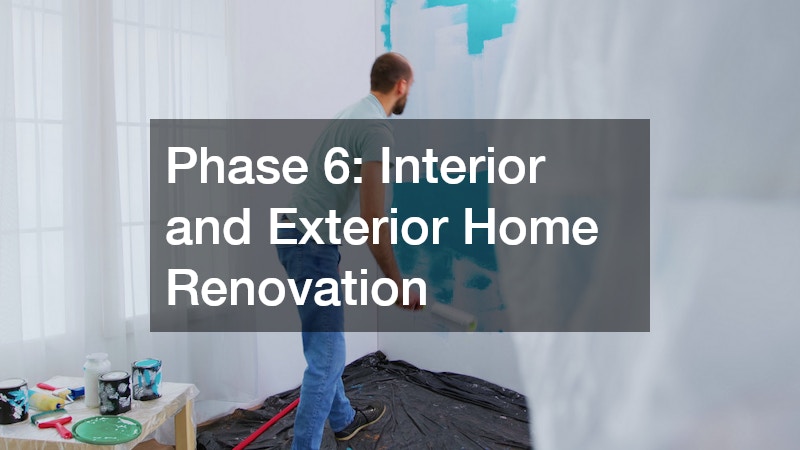
With the structure complete, attention turns to customization and finishing touches.
Comprehensive Home Renovation
Home renovation encompasses everything from interior upgrades to exterior enhancements. This phase allows you to personalize your space, improve functionality, and increase property value.
Interior renovations may include:
- Kitchen and bathroom upgrades
- Flooring and lighting improvements
- Energy-efficient systems
Exterior renovations often involve:
- Landscaping and fertilization
- Concrete walkways and patios
- Driveway refinishing with asphalt
Combining these elements creates a cohesive, polished look that reflects your vision.
Phase 7: Landscaping and Final Touches
The final stage of property transformation focuses on aesthetics and usability.
Fertilization and Lawn Development
Returning to fertilization at this stage ensures your landscaping thrives. Nutrient-rich soil supports healthy grass, plants, and trees, enhancing curb appeal and environmental benefits. A well-fertilized landscape not only looks more vibrant and inviting but also creates a habitat for beneficial insects, birds, and other wildlife, contributing to a balanced ecosystem in your yard. Proper fertilization also helps stabilize soil, reducing erosion and improving drainage—important factors for long-term property maintenance. By providing essential nutrients, you promote root growth and overall plant resilience against pests and diseases. This proactive approach can save time and resources in the future by minimizing the need for extensive repairs and replanting.
Coordinating Multiple Services for Maximum Efficiency
One of the biggest challenges in property transformation is managing multiple contractors and services. From dumpster rental companies to local concrete services and septic tank installation specialists, coordination is key. Ensuring that all parties work in harmony can be daunting, as delays or miscommunications can lead to costly setbacks. It’s essential to establish a clear timeline that outlines when each contractor should arrive and complete their tasks, allowing for seamless transitions between projects. Regular check-ins and updates will help keep everyone informed. Moreover, having a designated project manager can greatly alleviate stress, ensuring that schedules are adhered to and unexpected issues are addressed promptly.
Tips for Seamless Project Management
- Create a detailed timeline: Outline each phase and ensure dependencies are clear.
- Communicate consistently: Keep all contractors informed of progress and changes.
- Bundle services when possible: Some providers offer multiple services, reducing complexity.
- Prioritize quality over cost: While affordable dumpster rental and competitive pricing are important, cutting corners can lead to higher long-term expenses.
Cost Considerations and Budgeting
Transforming a property is a significant investment, but strategic planning can help control costs and maximize returns. When embarking on a property transformation project, it’s essential to establish a clear vision and set realistic goals. This involves conducting thorough market research to understand current trends and potential buyer preferences, which can guide design choices and renovations. A well-structured plan should include a detailed budget that accounts for all possible expenses, including materials, labor, permits, and unexpected contingencies. By breaking down each aspect of the renovation, you can pinpoint areas where costs can be minimized without sacrificing quality. For example, consider sourcing materials from local suppliers or opting for eco-friendly alternatives that can save money in the long run. Additionally, involving professionals early in the planning phase can lead to better decision-making. Architects and contractors can provide valuable insights into what changes can yield the highest return on investment. Careful scheduling is also crucial; overlapping tasks can create delays and inflate costs. Lastly, maintaining open communication with all stakeholders throughout the project can prevent misunderstandings and ensure that the vision is executed as intended. With thoughtful planning and execution, a property transformation can not only enhance value but also provide a rewarding experience for everyone involved.
Key Cost Factors
- Site preparation: Land clearing, fertilization, and waste removal
- Infrastructure: Septic tank installation and asphalt access
- Construction: Custom home builder fees and materials
- Additional structures: Pole barn construction
- Finishing work: Roof repairs and home renovation
Balancing affordability with quality ensures your project delivers lasting value. In today’s competitive market, striking this balance is more critical than ever. Prioritizing affordability can lead to cost-effective solutions, but it often comes at the risk of compromising quality. On the other hand, focusing solely on high-end materials and premium craftsmanship can quickly escalate costs, making a project unaffordable for many. To achieve the optimal balance, one must consider the long-term benefits of investing in quality. High-quality materials tend to withstand the test of time, reducing the need for frequent repairs or replacements. This not only saves money in the long run but also minimizes waste and the environmental impact of constant rebuilding. Moreover, a project that emphasizes quality tends to attract more attention and appreciation, enhancing the overall perception of value in the eyes of clients or customers. Every aspect, from design to execution, should reflect a commitment to excellence while maintaining budget constraints. Engaging in thorough research, sourcing the best materials, and collaborating with skilled professionals can lead to innovative solutions that meet both affordability and quality standards. By doing so, you ensure that your project not only fulfills immediate requirements but also stands as a testament to thoughtful planning and execution for years to come.
Common Pitfalls to Avoid
Even well-planned projects can encounter challenges. Being aware of common pitfalls helps you stay ahead. For instance, miscommunication among team members can lead to misunderstandings, resulting in delays and frustration. Additionally, failing to set realistic timelines or underestimating resource needs can derail progress. It’s essential to maintain flexibility; unforeseen circumstances often arise that require quick adjustments to the plan. Regular check-ins and updates can help identify potential issues early on. Fostering an open environment where team members feel comfortable voicing concerns or suggestions also contributes to smoother project execution. By anticipating these challenges, teams can navigate obstacles more effectively and maintain momentum toward their goals.
- Skipping proper fertilization: Poor soil conditions can impact landscaping and drainage
- Underestimating waste removal needs: Insufficient dumpster capacity can delay progress
- Neglecting foundation quality: Subpar concrete work leads to structural issues
- Delaying roof repairs: Small issues can escalate into major damage
- Overlooking permits and regulations: Non-compliance can result in fines and setbacks
The Big Picture: A Cohesive Transformation
A successful property transformation isn’t just about individual upgrades—it’s about how each element works together. Fertilization supports landscaping, concrete provides stability, asphalt improves accessibility, and skilled builders bring everything together.
By integrating services like affordable dumpster rental, septic tank installation, pole barn construction, and home renovation into a unified plan, you create a property that is not only functional but also efficient and visually appealing. Streamlining these services helps to minimize downtime and ensure each phase of your project complements the others. This holistic approach allows for better coordination among contractors, saving time and reducing stress during the construction or renovation process. Moreover, it can lead to cost savings, as bundling services often yields discounts. Ultimately, a well-planned integration not only enhances the value of your property but also fosters a cohesive design aesthetic, ensuring that every aspect of your home works harmoniously together. Investing in these interconnected services paves the way for a more sustainable and enjoyable living space, tailored to your needs and preferences.
Transforming a property from start to finish is a complex but rewarding process. With the right strategy, reliable professionals, and a clear understanding of each phase, you can turn any space into a fully realized vision.
From the first step of fertilization and land clearing to the final touches of roof repairs and home renovation, every decision contributes to the overall success of your project. By leveraging local concrete services, working with experienced dumpster rental companies, and partnering with a trusted custom home builder, you ensure a streamlined process and exceptional results.
Whether you’re building from scratch or upgrading an existing property, this complete approach to transformation sets the foundation for long-term value, functionality, and satisfaction.