A well-maintained commercial building is more than just a functional workspace; it is an investment in safety, productivity, and property value. Neglecting critical components can lead to costly repairs, operational disruptions, and decreased tenant satisfaction. By focusing on strategic upgrades and consistent maintenance, property owners can address common challenges before they escalate. From roofing and HVAC systems to electrical wiring, plumbing, and outdoor amenities, each element plays a crucial role in the overall performance of a commercial property. This article explores essential upgrades and maintenance tasks that ensure your building remains safe, efficient, and visually appealing.
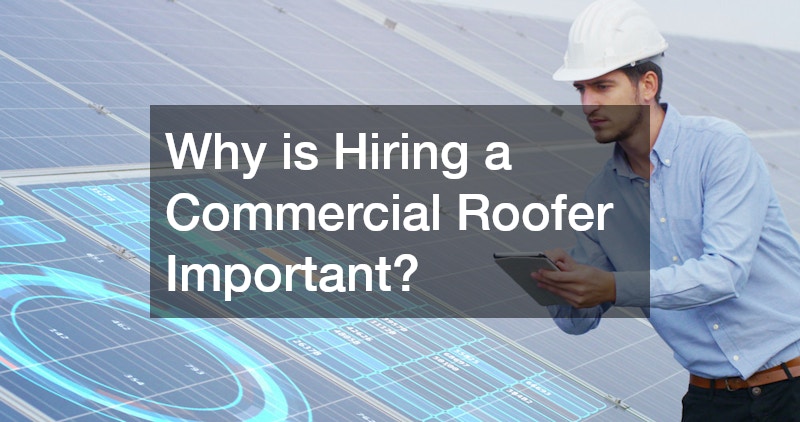
Why is Hiring a Commercial Roofer Important?
Assessing Roofing Needs
Before selecting a commercial roofer, it is essential to evaluate the specific needs of your building. Roofing requirements can vary depending on the structure’s size, age, and location. Flat roofs, sloped roofs, and metal roofing each come with unique maintenance considerations and vulnerabilities. A professional roofer can conduct a thorough inspection to identify wear, leaks, or structural weaknesses. This assessment provides a roadmap for both immediate repairs and long-term planning, ensuring the roof supports the building’s safety and operational goals.
Selecting the Right Roofing Material
Choosing the appropriate roofing material is a critical decision for any commercial building. Options range from traditional asphalt shingles to metal panels, TPO, or EPDM membranes. Each material has its advantages, such as energy efficiency, longevity, or low maintenance. A reputable commercial roofer will help property owners weigh these factors, considering both upfront costs and long-term benefits. Selecting the right material reduces the risk of premature deterioration and minimizes future repair expenses.
Regular Maintenance and Inspections
Routine inspections and maintenance prevent minor roofing issues from escalating into major problems. Regular upkeep includes clearing debris, inspecting flashing and seams, and monitoring for water pooling or leaks. Engaging a commercial roofer for scheduled inspections ensures potential problems are addressed promptly. Preventive maintenance extends the roof’s life, safeguards the building’s interior, and reduces the need for expensive emergency repairs.
Managing Roof Repairs Efficiently
When damage occurs, timely repair is essential to maintain structural integrity. Commercial roofers offer repair services that address leaks, punctures, or damaged areas quickly and efficiently. Efficient repair management minimizes downtime and protects tenants, employees, and inventory. Coordinating repairs with experienced professionals also ensures compliance with building codes and safety standards, preventing further complications.
Long-term Roofing Investment Benefits
Investing in a quality roofing system and professional maintenance yields long-term benefits. A durable roof improves energy efficiency, enhances the building’s appearance, and increases property value. Moreover, it reduces liability risks by preventing accidents related to structural failures. Long-term planning with a commercial roofer transforms the roof from a simple protective layer into a strategic asset for your building’s success.
How Do You Choose a Reliable AC Company?
Evaluating Service Packages
Selecting a reliable AC company requires understanding the services offered. Commercial HVAC providers typically offer a range of packages, including installation, repair, and routine maintenance. Comparing service options ensures that your building’s specific cooling and heating requirements are met. Comprehensive packages that include regular inspections, filter replacements, and seasonal adjustments provide optimal performance and reduce unexpected system failures.
Energy-Efficient Upgrades
Modernizing your HVAC system can significantly lower energy costs while improving occupant comfort. Energy-efficient upgrades, such as variable-speed motors, programmable thermostats, or high-SEER units, reduce electricity usage and contribute to sustainability goals. Partnering with a commercial AC company experienced in energy-efficient solutions ensures that upgrades align with building requirements and industry standards.
Understanding Seasonal Maintenance
Seasonal maintenance is critical for preventing system breakdowns. Before summer or winter, HVAC systems should undergo thorough inspections, cleaning, and calibration. Checking refrigerant levels, cleaning coils, and inspecting ductwork ensures the system operates efficiently throughout peak usage periods. Seasonal maintenance reduces unexpected downtime and extends the life of your equipment.
Emergency Repair Services
Even with regular maintenance, HVAC systems may require emergency repairs. Reliable AC companies provide rapid response services to restore comfort and prevent operational disruptions. Emergency support often includes temporary solutions to maintain climate control while permanent repairs are performed. Having a dependable provider ensures that emergencies are handled promptly and professionally.
Warranty and After-Sales Support
A reputable AC company provides warranties and ongoing support for both new installations and repair services. Understanding warranty coverage and after-sales policies protects your investment and offers peace of mind. Long-term support from experienced technicians ensures that any issues are resolved efficiently, maintaining consistent performance in your commercial building.
What Should You Look for in a Commercial Electrician?
Licensing and Certification Importance
Commercial electrical systems require specialized expertise. Hiring a licensed and certified electrician ensures compliance with local codes and safety regulations. Proper credentials indicate that the professional has undergone rigorous training and possesses the knowledge necessary to handle complex electrical systems safely. This reduces liability risks and ensures that all work is performed to industry standards.
Upgrading Electrical Systems
Older buildings often require electrical upgrades to accommodate modern equipment and technology. Upgrades may include panel replacements, circuit enhancements, and additional outlets to meet increased power demands. A skilled commercial electrician evaluates existing systems and implements upgrades that improve efficiency and capacity while minimizing disruption to building operations.
Compliance with Safety Standards
Ensuring compliance with electrical safety standards is essential to protect occupants and prevent hazards such as fires or equipment damage. Professional electricians follow established codes and regulations, perform necessary inspections, and document compliance. Regular audits of electrical systems help maintain safety and reduce liability concerns for property owners.
Installing Energy-Saving Solutions
Energy-efficient electrical solutions, such as LED lighting, automated controls, and occupancy sensors, reduce operational costs while promoting sustainability. A commercial electrician can assess building needs and implement upgrades that maximize energy savings. These solutions enhance the building’s efficiency without sacrificing functionality or comfort.
Handling Emergency Electrical Issues
Electrical emergencies, such as power outages or short circuits, require immediate attention. A reliable commercial electrician provides rapid response services to restore functionality and prevent damage. Emergency preparedness plans, including backup systems and quick repair protocols, help minimize disruptions and protect building operations.
Why is Commercial Glass Service Integral?
Maintaining Building Aesthetics
Commercial glass services contribute significantly to the visual appeal of a building. Clean, well-maintained glass panels enhance natural lighting and create a professional appearance. Regular upkeep prevents discoloration, cracks, and other issues that can negatively impact first impressions and overall aesthetics.
Ensuring Energy Efficiency
Glass plays a vital role in the building’s energy performance. Modern commercial glass solutions, such as double glazing or low-emissivity coatings, improve insulation and reduce heating and cooling costs. Partnering with a glass service provider ensures that installations and upgrades enhance energy efficiency while maintaining structural integrity.
Safety and Security Considerations
Commercial glass also affects safety and security. Impact-resistant panels, tempered glass, and reinforced frames provide protection against accidents and intrusions. Glass service professionals assess risks and recommend solutions that meet safety standards while enhancing building security.
Customization Options Available
From decorative features to functional designs, glass customization offers flexibility for commercial spaces. Frosted panels, tinted glass, and specialized coatings allow building owners to balance privacy, aesthetics, and performance. Expert glass service providers guide clients through available options to achieve the desired effect.
Repair vs. Replacement Decisions
Determining whether to repair or replace damaged glass requires careful evaluation. Minor chips or cracks may be repaired, while extensive damage necessitates replacement. Experienced glass service companies provide accurate assessments, ensuring cost-effective decisions that maintain safety and functionality.
How Do Local Plumbers Enhance Building Maintenance?

Regular Plumbing Inspections
Routine inspections by a local plumber identify potential issues before they become major problems. Checking pipes, valves, and drainage systems helps detect leaks, corrosion, or blockages early. Scheduled inspections support preventive maintenance strategies and reduce costly emergency repairs.
Emergency Leak Repairs
Unexpected leaks can disrupt operations and damage property. Local plumbers provide rapid response services to contain and repair leaks promptly. Efficient handling of emergencies minimizes water damage and ensures continuous building functionality.
Upgrading Plumbing Fixtures
Modern plumbing fixtures improve both efficiency and aesthetics. Upgrades such as low-flow faucets, water-saving toilets, and advanced irrigation systems reduce water consumption and enhance sustainability. Professional plumbers guide property owners through suitable options that meet building needs.
Preventive Maintenance Strategies
Preventive plumbing measures, including pipe inspections, drain cleaning, and water pressure checks, prolong system life and reduce maintenance costs. Local plumbers develop maintenance plans tailored to each building, addressing unique challenges and operational requirements.
Solving Water Pressure Issues
Inconsistent water pressure affects daily operations and occupant comfort. Experienced plumbers identify the causes of pressure fluctuations, whether due to pipe diameter, blockages, or equipment issues, and implement solutions that restore optimal flow.
What Role Does an Outdoor Lighting Company Play?
Enhancing Building Security
Pdesignsoutdoor lighting is essential for safety and security. Well-lit entrances, parking areas, and perimeters deter criminal activity and provide a sense of security for tenants and visitors. An outdoor lighting company design systems that optimize coverage while minimizing glare and energy consumption.
Aesthetic Improvement with Lighting
Beyond security, outdoor lighting enhances the building’s visual appeal. Strategic placement highlights architectural features, landscaping, and signage, creating a welcoming and professional environment. A lighting professional ensures designs complement the building’s overall aesthetic.
Energy Efficiency in Outdoor Lighting
Modern outdoor lighting solutions focus on energy efficiency. LED fixtures, motion sensors, and solar-powered systems reduce electricity consumption while maintaining brightness and reliability. Professional installation ensures energy savings without compromising functionality.
Custom Solutions for Unique Needs
Every commercial property has unique lighting requirements. Outdoor lighting companies provide customized solutions tailored to the building’s layout, security concerns, and branding needs. From adjustable fixtures to programmable systems, customization ensures optimal performance.
Maintenance of Solar Lighting Systems
Solar lighting systems require periodic maintenance to sustain energy output and durability. Outdoor lighting providers perform cleaning, battery replacement, and functional inspections to ensure consistent performance. Regular maintenance extends the lifespan of these sustainable solutions.
Why Invest in a Backup Generator for Your Building?
Understanding Power Needs
A backup generator ensures uninterrupted power during outages, protecting operations and sensitive equipment. Evaluating the building’s energy demands helps determine the appropriate generator size and capacity. Planning for peak loads and critical systems ensures reliable performance during emergencies.
Generator Options and Selection
Generators vary in fuel type, capacity, and operational features. Diesel, natural gas, and propane units offer different benefits depending on building needs. Professional assessment guides property owners in selecting the most suitable generator for both cost-effectiveness and reliability.
Installation and Integration Processes
Proper installation and integration with the building’s electrical system are essential for safety and efficiency. Licensed technicians handle wiring, transfer switches, and compliance requirements to ensure seamless operation during power interruptions.
Routine Maintenance Plans
Regular generator maintenance prevents malfunctions and ensures readiness. Inspections, oil changes, load testing, and fuel management are essential components of a preventive maintenance plan. Professional services extend generator life and optimize performance.
Emergency Operation Protocols
Establishing emergency protocols guarantees rapid response when power disruptions occur. Staff training, testing procedures, and coordination with building systems ensure smooth transition to backup power, minimizing downtime and protecting operations.
How Can Septic Service Improve Building Operations?
Identifying Septic System Issues
Septic systems are critical for wastewater management in buildings without municipal connections. Regular evaluations identify blockages, leaks, or system failures before they escalate. Early detection prevents costly repairs and environmental contamination.
Regular Septic Tank Pumping
Routine pumping removes accumulated solids, reducing the risk of system backups and failures. Scheduled maintenance ensures consistent functionality, prolongs the system’s lifespan, and prevents unpleasant odors or sanitation issues.
System Upgrades and Replacements
Older systems may require upgrades to handle increased capacity or comply with updated regulations. Septic service providers recommend replacements or enhancements that improve efficiency, reduce environmental impact, and maintain operational standards.
Implementing Preventive Care
Preventive septic care includes inspections, proper waste management, and monitoring for signs of stress on the system. Implementing these measures reduces emergency interventions and supports long-term sustainability.
Compliance with Health Regulations
Septic systems must meet local health codes to ensure safe wastewater disposal. Professional service providers ensure that inspections, maintenance, and upgrades comply with regulations, safeguarding the building and surrounding community.
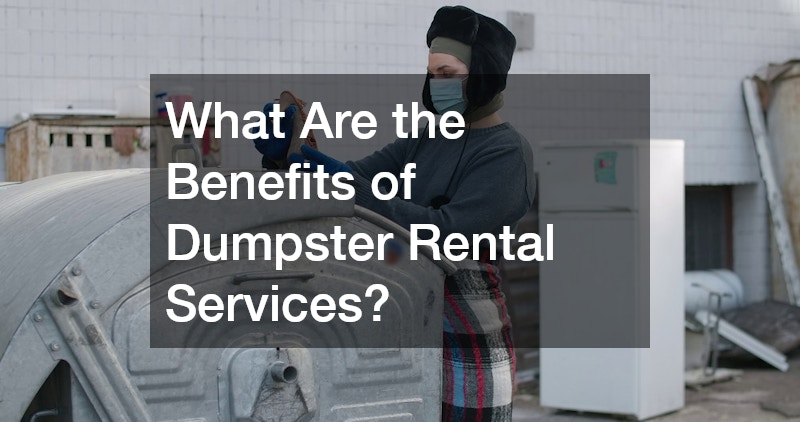
What Are the Benefits of Dumpster Rental Services?
Choosing the Right Dumpster Size
Selecting the appropriate dumpster size ensures efficient waste management during construction, renovation, or regular operations. A local rental service evaluates project scope to provide a container that meets your needs without excess costs.
Scheduling Pickup and Delivery
Timely delivery and pickup are crucial for seamless operations. Dumpster rental services coordinate schedules to minimize disruption and ensure waste is removed promptly. Reliable scheduling supports productivity and keeps work areas safe.
Cost-Effective Waste Management
Dumpster rentals offer an affordable solution for managing large volumes of waste. Proper planning reduces multiple trips to disposal facilities, saving time and money while keeping the property clean and organized.
Compliance with Environmental Laws
Waste disposal is subject to local and federal regulations. Professional rental services ensure that debris is handled according to environmental laws, reducing legal risks and promoting sustainable practices.
Efficient Construction Debris Removal
During construction or renovation, rapid debris removal is critical for safety and workflow. Dumpster rentals provide a centralized solution, keeping the site organized and supporting timely project completion.
Why Are Roof Repairs Critical for Building Longevity?
Identifying Roof Damage Early
Early detection of roofing issues prevents extensive damage to structural components and interior spaces. Regular inspections reveal leaks, weakened membranes, and compromised flashing before they escalate into costly problems.
Repair Techniques and Materials
Professional roof repair utilizes appropriate materials and techniques for durability and effectiveness. From patching leaks to replacing shingles or membrane sections, expert services ensure long-lasting results.
Preventive Measures to Avoid Damage
Preventive measures, including sealing, proper drainage, and debris removal, protect the roof from wear and environmental stressors. Implementing these steps reduces the likelihood of unexpected repairs.
Weatherproofing Strategies
Weatherproofing shields the building from rain, wind, and extreme temperatures. Techniques such as applying protective coatings and reinforcing vulnerable areas enhance roof performance and longevity.
Cost Implications of Deferred Repairs
Delaying roof repairs can lead to more significant expenses, including structural damage, interior repairs, and potential code violations. Timely interventions save money and prevent operational disruptions, emphasizing the importance of proactive maintenance.
Final Thoughts
Regular upgrades and maintenance are essential for the longevity, safety, and efficiency of commercial buildings. By addressing key components such as roofing, HVAC systems, electrical wiring, plumbing, glass, outdoor lighting, septic systems, and waste management, building owners can ensure a productive and secure environment. Investing in professional services for inspections, repairs, and preventive upgrades protects property value, minimizes operational disruptions, and creates a positive experience for tenants, employees, and visitors alike.